I want to take you somewhere that feels like it belongs in another world — a windswept, snow-kissed town perched on the edge of Hudson Bay. If you’ve never visited Churchill, Manitoba, you’re in for a treat because this remote, frozen wonder isn’t just another dot on the map — it’s a place that reminds you how wild, quiet, and beautiful this planet can be.
A Place That Feels Like Another World
Churchill isn’t a place you stumble upon. It sits far up in northern Manitoba, so remote that no roads connect it to the rest of Canada.
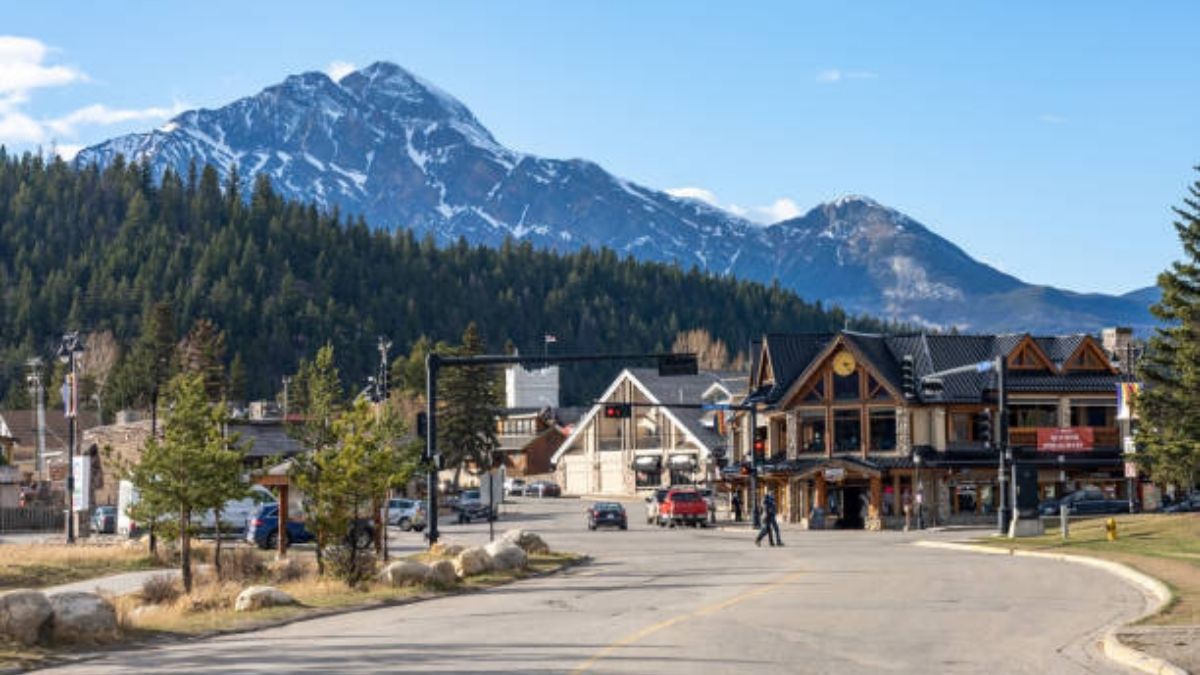
Churchill, Manitoba town view — a quiet Arctic village surrounded by frozen beauty
You either fly in here or ride the train for two days through miles of untouched wilderness. That isolation is its charm — it keeps Churchill pure, raw, and wonderfully real.
With fewer than a thousand residents, this tiny town still hums with life. Locals wave when you pass. Guides call you by your name. Even the icy wind seems to whisper, “Welcome to the North.” The moment you arrive, you feel it — that mix of silence and energy that only true wilderness offers.
We’ve created a Free traveler’s template that helps you enjoy smooth and stress-free trips wherever you go.
📥 Enter your email address and name in the box below to download the FREE Traveler’s Template instantly!
We also wish you a wonderful shopping experience at our global bookstore, where you can order your travel guide and have it printed and delivered straight to your doorstep—no matter where you live.
The Geography and Northern Charms of Churchill
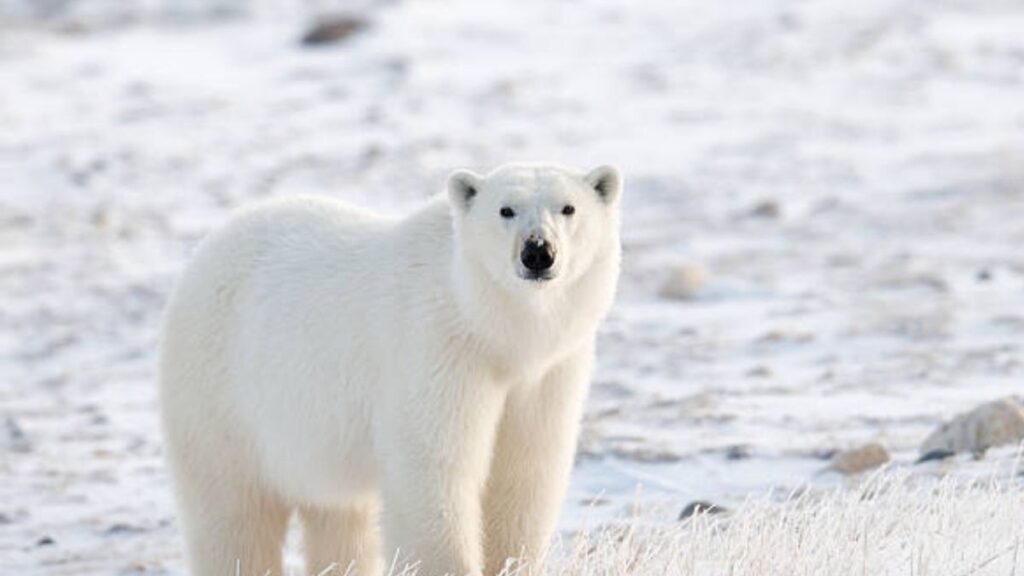
A curious polar bear strolling on the Arctic tundra
Churchill sits at a rare meeting point of three ecosystems — boreal forest, Arctic tundra, and icy sea. You can literally watch the forest fade into open tundra as the land stretches toward Hudson Bay.
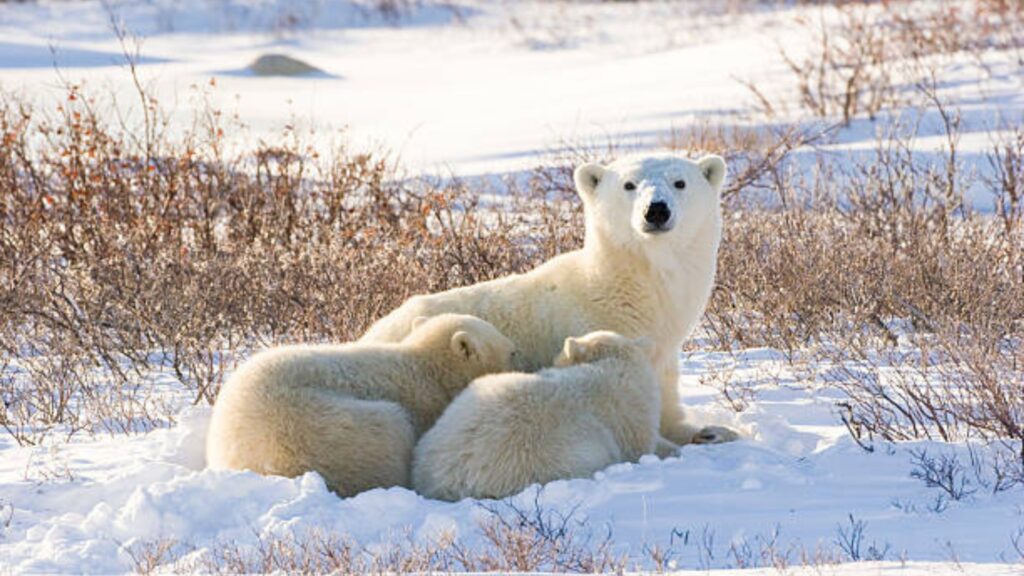
This spot is famously known as “The Polar Bear Capital of the World,” and it’s no exaggeration. Every fall, polar bears gather near town, waiting for the bay to freeze so they can hunt seals. Locals even have a “polar bear jail” — a safe holding area for curious bears that wander too close before they’re released back into the wild.
But it’s not just about bears. In summer, thousands of beluga whales fill the Churchill River. They’re curious and playful — sometimes swimming beside kayaks, chirping like they’re talking to you.
And then, there are the northern lights. Churchill sits under the Auroral Oval, making it one of the best places on Earth to see the aurora borealis. The lights dance here over 300 nights a year — swirling greens and purples that make you forget the cold completely.
So how far north are we talking? About 1,000 kilometers (620 miles) from Winnipeg. No roads lead here — that’s part of the adventure. You can only get to Churchill by air or train, and each option feels like its own expedition.
🛫 By Air
Calm Air operates regular flights from Winnipeg all year. The trip takes about two hours, and the view — frozen rivers and endless tundra — is breathtaking. Flights range from $800 to $1,400 round-trip, depending on the season. Bear season (October–November) and summer (July–August) are busiest, so book early.
🚆 By Train
If you love slow travel, hop on the VIA Rail train from Winnipeg. The 48-hour ride winds through forests, lakes, and open tundra. It’s not luxury, but it’s cozy and unforgettable. You can choose economy seats or sleeper cabins, and the dome car offers wide-window views of the Arctic wilderness.
Be patient — delays are common, but honestly, that’s part of the fun. Bring snacks, a book, and an open heart.
Travel Tip: Many visitors fly one way and train the other — the best mix of comfort and adventure. Once in Churchill, you won’t need a car. The town is walkable, and most tours pick you up from your hotel.
Fort Churchill: History on the Edge of the Arctic
Before Churchill became an explorer’s dream, it was a military and scientific hub. Just outside town lies Fort Churchill, once home to the Royal Canadian Air Force and later a center for Arctic research.
In the 1950s and 60s, the site even hosted rocket launches in partnership with NASA. It’s surreal to imagine scientists and soldiers working here, battling frostbite while pushing the limits of technology.
Today, the old buildings and ruins still stand — quiet, frozen reminders of Canada’s Cold War past. Join a local guided tour and hear stories about life on the base, the research missions, and the explorers who braved this same landscape.
When to Visit Churchill
When you go depends on what you want to see:
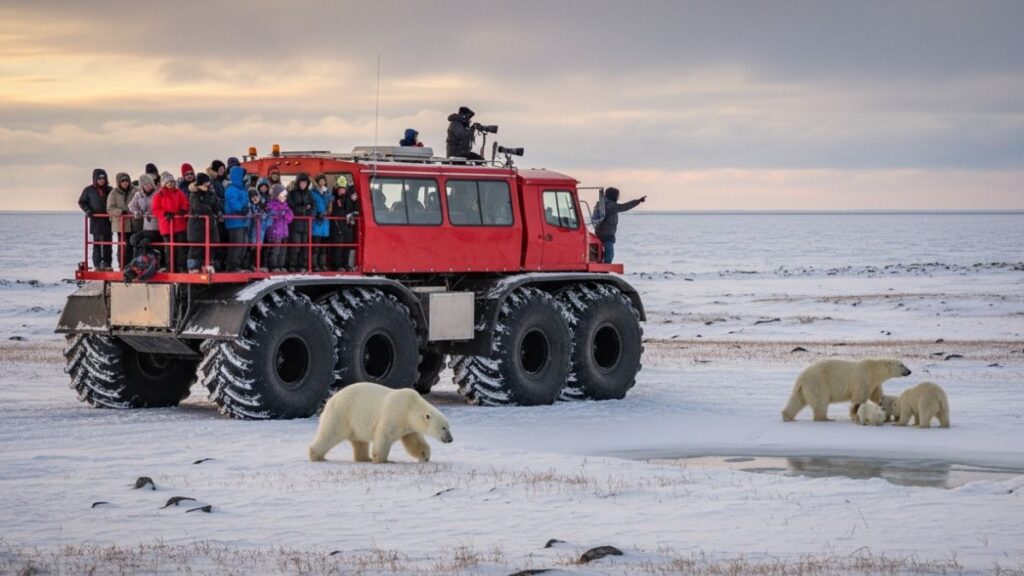
October–November: Prime polar bear season. You can spot them up close from Tundra Buggies or guided tours. Cold but thrilling.
June–August: Time for beluga whales — thousands gather in the Churchill River. Kayak among them or take a boat tour. The wildflowers bloom, and the long daylight feels endless.
January–March: For the northern lights, this is your season. Cold, dark skies mean bright, dancing auroras. Bring a camera — it’s life-changing.
Every season tells a new story here. There’s no bad time — only different shades of magic. In this post — I’ll list everything you need to pack and how to get them for you to get the best Churchill travel experience.
N.B.: Organize your trip using our recommended travel and affiliate partners. From booking flights, accommodations, renting a car, to finding other travel deals. We formed these partnerships to make your trips smoother — and also save you some bucks while you’re at it.
Top Things to Do in Churchill
Despite its size, Churchill is packed with adventure.
A lifetime experience — watching wild polar bears up close from a Tundra Buggy
Beluga Kayaking: Paddle beside curious whales in crystal waters.
Itsanitaq Museum: Explore one of Canada’s best collections of Inuit art and tools — stories carved in stone and bone.
Prince of Wales Fort: Cross the river to see this 18th-century Hudson’s Bay fortress still standing strong.
Aurora Watching: Step outside town or join a night tour. The northern lights here move like living poetry.
Churchill Maps and Visitor Info
Start your visit at the Parks Canada Visitor Centre inside the train station. You’ll find maps, guides, and friendly locals eager to help. It’s also a great place to warm up and learn about wildlife and history.
Hotels often provide mini-maps and shuttle info. The town is small, but during bear season, always check your tour pickup points — wandering isn’t advised!
Before you pack your parka, learn the local rules:
Alcohol: Only one government-run liquor store with limited hours. Public drinking is illegal.
Smoking & Cannabis: You must be 19 or older. No smoking in public spaces or near entrances.
Wildlife Protection: Never approach, feed, or photograph wildlife up close. If you see a bear near town, call the Polar Bear Alert hotline — not calling your colleagues or taking pictures.
Respect Indigenous Lands: Churchill sits on Treaty 5 Territory, home to Cree, Dene, and Inuit communities. Join Indigenous-led tours, ask before taking photos, and honor the traditions of the land.
Tips for Staying Safe and Aware
Churchill is breathtaking — and wild. Stay smart and stay safe.
Never walk outside town alone, especially at night. If a siren sounds, head indoors — a bear’s nearby. During this season, locals leave their houses and cars unlocked so anyone can escape a bear in danger.
Don’t leave food outside. Bears can smell it from miles away.
Dress in layers, wear traction cleats, and pack thermal gloves — frostbite is real.
Book tours only with licensed local operators who know the terrain.
Cell service fades outside town, so tell someone your plans before heading out.
Bring some cash — not every shop takes cards.
And remember: Churchill moves at its own pace. Slow down, breathe, and let the Arctic rhythm take over.
Where to Stay and What to Eat
For a small town, Churchill offers cozy northern comfort.
Lazy Bear Lodge: Built from reclaimed logs, it’s as warm as it sounds.
Polar Inn & Suites: Simple comfort with local charm.
Tundra Inn: A great pick for budget travelers.
If you’re hungry, try Gypsy’s Bakery for coffee and hearty meals — a local favorite. The Tundra Inn Pub is perfect for music and a post-adventure pint. Many lodges serve Arctic char, bison, and northern whitefish — the taste of the North in every bite.
Before we wrap up this travel guide, here’s something exciting! Our travel media agency, WorldTourGuide, has officially introduced a Career Launch Pathway— a unique opportunity where our most active fans, like you, can earn a chance to excel and flourish in the tourism and hospitality industry.
Final Thoughts — A Journey to the Edge of the World
Churchill isn’t just a destination — it’s an experience that changes you. You come for the polar bears or the northern lights, but you leave with something deeper: awe, respect, and gratitude for nature’s quiet power.
Whether you fly, take the train, or just dream about it from afar, Churchill, Manitoba, stands waiting at the top of the world — cold, quiet, and unforgettable.
And that wraps up our journey through Churchill, Manitoba! I’m wishing you safe travels and unforgettable moments on your trip north. If you enjoyed this post, don’t keep it to yourself — share it on social media and inspire someone else.
📘 Don’t leave without your FREE Traveler’s Template — in case you forgot in the beginning, simply add your email address and name in the box below to get instant access and also to receive future updates from WorldTourGuide.
Churchill Manitoba Packing Checklist According to Seasons!
These packing lists cover everything you need to visit Churchill, Manitoba every season, along with clear explanations for why each item is essential based on Churchill weather conditions.
FALL (OCTOBER–NOVEMBER: POLAR BEAR SEASON
Cold, windy, early snow, and sub-zero temperatures are common.
Heavy parka: Fall in Churchill is bitterly cold and windy. A heavy parka protects against freezing temperatures during long polar bear viewing tours.
Waterproof snow pants: Snow, slush, and icy ground are common. Waterproof snow pants keep you dry and insulated on tundra rides.
Thermal base layers: Temperatures often stay below freezing. Thermal layers help your body retain heat in cold, open landscapes.
Mid-layer fleece: Adds insulation without restricting movement. Ideal for extended outdoor waits in cold winds.
Insulated, waterproof boots: Cold ground and snow quickly chill feet. These boots prevent frostbite and moisture exposure.
Wool socks: Wool stays warm even when damp from snow or sweat, making it ideal for Churchill’s cold climate.
Waterproof gloves: Protect hands from snow, wind, and freezing air during outdoor wildlife tours.
Hat/toque covering ears: Strong Arctic winds make ear protection essential to prevent heat loss.
Neck gaiter or balaclava: Shields face and neck from harsh wind chill during tundra excursions.
Sunglasses: Low sun and snow reflection can strain eyes in open terrain.
Hand and foot warmers: Essential during long, stationary polar bear viewing in extreme cold.
Lip balm, moisturizer & sunscreen: Cold air dries skin quickly, while snow reflection still causes sunburn.
Camera or binoculars for bear viewing: Polar bears are often viewed from a distance across flat tundra landscapes.
WINTER (DECEMBER–MARCH): NORTHERN LIGHTS & DEEP FREEZE
Extreme cold, deep snow, and severe wind chill.
Expedition parka: Churchill winters reach extreme sub-zero temperatures. An expedition parka is essential for warmth and safety.
Snow pants: Deep snow and freezing winds make insulated snow pants necessary for outdoor activities.
Thick thermal base layers: Critical for maintaining body heat during prolonged exposure to extreme cold.
Fleece mid-layer + jacket: Layering traps heat while allowing flexibility between indoor and outdoor environments.
Insulated, waterproof boots: Prevents frostbite and keeps feet warm in deep snow and ice.
Thick mitts or layered gloves: Mitts retain heat better than gloves in extreme cold conditions.
Warm hat, scarf, or balaclava: Protects exposed skin from frostbite during winter winds.
Heat packs for hands and toes: Winter temperatures in Churchill can drop extremely low. Heat packs provide extra warmth during long outdoor activities and nighttime aurora viewing.
Headlamp or flashlight: Daylight hours are short in winter. A reliable light source is essential for safe movement during early mornings, evenings, and Northern Lights tours.
Moisturizer, lip balm & thermal water bottle: Extreme cold dries skin quickly, and water freezes fast. These items protect your skin and keep drinks warm in freezing conditions.
Tripod & spare camera battery: Cold drains batteries quickly in Churchill’s winter. A tripod ensures stable shots, while spare batteries help capture the Northern Lights without interruption.
SUMMER (JUNE–AUGUST): BELUGA WHALES & MIDNIGHT SUN
Cool temperatures, strong winds, sudden rain, and mosquitoes.
Lightweight base layers: Even summer in Churchill is cool. Layers help regulate body temperature during outdoor tours.
Hoodie or fleece jacket: Evenings and mornings remain chilly due to Arctic winds.
Windbreaker or light waterproof shell: Sudden rain and strong coastal winds are common near Hudson Bay.
Comfortable hiking pants: Protect against cool temperatures, insects, and uneven tundra terrain.
Waterproof hiking boots or sturdy sneakers: Wet ground and boat excursions make waterproof footwear important.
Insect repellent: Mosquitoes are intense in summer despite cool weather.
Sunglasses & hat for sun protection: Long daylight hours and reflective water increase sun exposure.
Light gloves: Mornings can still feel cold, even in summer.
Swimsuit: Some lodges offer hot tubs or water activities despite cool outdoor temperatures.
Reusable water bottle & snacks: Tours are long and remote. Staying hydrated helps your body cope with cold and wind.
SPRING (DECEMBER–MARCH): ICE BREAKUP & WILDLIFE TRANSITION
Waterproof boots with good grip: Churchill’s spring weather brings melting snow, slush, and icy patches. Boots with strong grip keep your feet dry and prevent slipping on wet tundra paths.
Thermal base, fleece mid-layer & waterproof jacket: Spring temperatures in Churchill change quickly. Layering helps you stay warm in cold winds and dry during sudden snow or rain.
Warm hat and gloves: Even in spring, Churchill remains cold and windy. Hats and gloves protect exposed skin and reduce heat loss outdoors.
Moisture-wicking socks: Cold, damp conditions are common during spring. These socks keep feet dry and comfortable during long walks and tours.
Sunglasses: Lingering snow reflects sunlight across open landscapes. Sunglasses reduce glare and protect your eyes in bright conditions.
Camera for early wildlife sightings: Spring marks early wildlife movement in Churchill. A camera helps capture rare sightings in clear, crisp Arctic air.
Reusable water bottle and daypack: Spring tours involve changing weather and layered clothing. A daypack keeps essentials organized while staying hydrated in cold conditions.