Welcome to Jasper National Park — the crown jewel of Alberta’s rugged Rockies, where every sunrise feels like a promise and every sunset feels like a story.
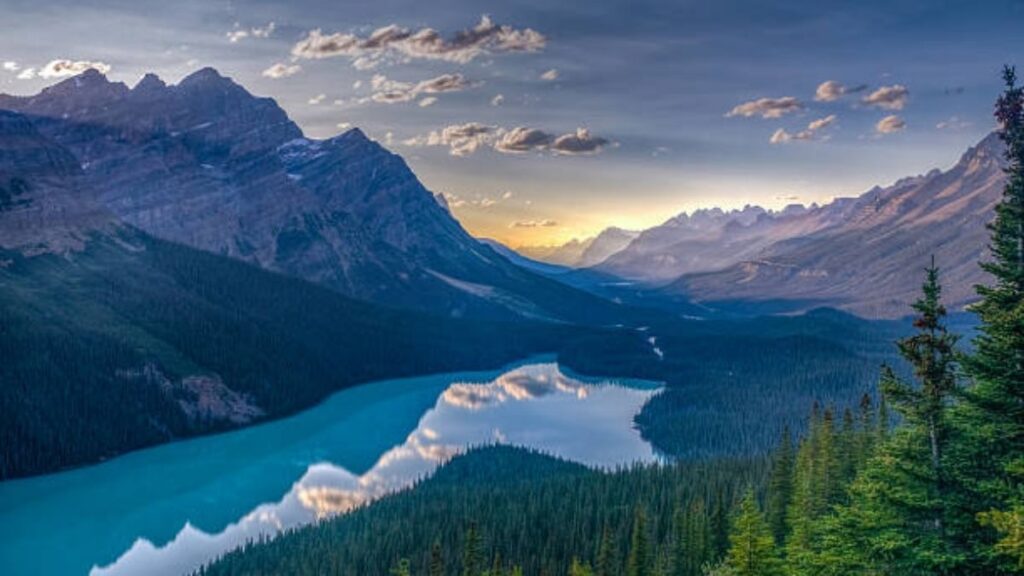
Peyto Lake, Jasper National Park
Here, mountains whisper ancient tales, turquoise rivers carve through time, and wildlife roams freely across valleys dusted with gold and snow.
This isn’t just another stop on the map. It’s a place that humbles you, quiets your thoughts, and fills your lungs with the kind of air that makes you believe again. Whether you’re chasing adventure or seeking stillness, Jasper delivers both — wrapped in pure, unfiltered beauty.
So, if you’ve ever dreamed of standing beneath endless skies, canoeing across glacial lakes, or watching elk wander past your cabin at dawn — you’ve come to the right guide.
To make your journeys easier, we’ve developed a free traveler’s template that helps you stay organized and enjoy stress-free travel anywhere in the world.
Simply enter your email address and name below to get instant access to your free download.
We also wish you a wonderful shopping experience at our global bookstore, where you can order your travel guide and have it printed and delivered straight to your doorstep—no matter where you live.
Where Exactly Is Jasper National Park?
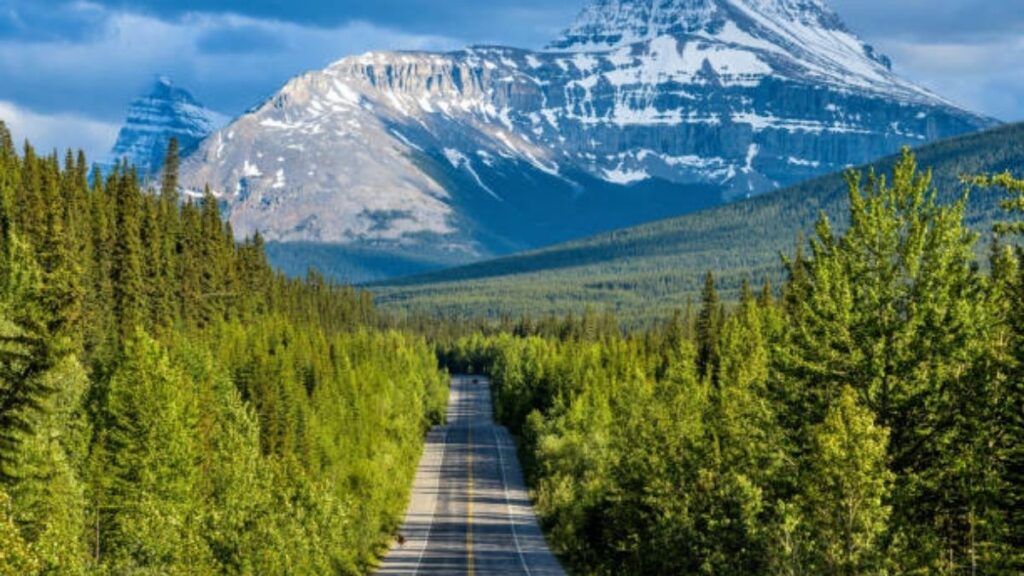
The legendary Icefields Parkway — one of the world’s most scenic drives
Tucked deep within western Alberta, Jasper sits in the heart of the Canadian Rockies, a UNESCO World Heritage Site shared with Banff, Yoho, and Kootenay National Parks. It’s enormous — more than 11,000 square kilometers of wilderness, larger than Jamaica and twice the size of Luxembourg.
To the west lies British Columbia, to the south sits Banff, and stretching north, the peaks lead toward Mount Robson Provincial Park — home to the tallest mountain in the Canadian Rockies.
The nearest major city is Edmonton, about 4½ hours by car. From Calgary, the drive takes around five hours — often through Banff and along the world-famous Icefields Parkway, a road so scenic it’ll have you stopping every few minutes for photos.
If you’d rather relax and enjoy the view, take the VIA Rail train from Vancouver or Toronto. It rolls right into Jasper’s charming townsite, offering glass-dome cars for panoramic mountain views that make the journey itself a destination.
For current conditions, park regulations, and visitor information, check the official Jasper National Park site.
When to Visit Jasper National Park — Seasons of Beauty
Jasper doesn’t have a “best” season — it simply has different kinds of magic.
Summer (June–August) is pure energy.
The trails are dry, the lakes shimmer turquoise, and long daylight hours stretch your adventures into golden evenings. Wildlife is active, kayaking is perfect, and mountain peaks feel close enough to touch.
Just remember — summer is Jasper’s busiest time, so book your stay early and bring patience along with your hiking boots.
Autumn (September–October) turns Jasper into a painter’s dream.
Aspens glow gold, the air feels crisp, and elk bugles echo across the valleys. Crowds thin out, hotel rates drop, and sunrise photography becomes otherworldly. If peace had a color, it would be the amber of Jasper in fall.
Winter (November–March) is when Jasper transforms into a snow-draped wonderland. Ski at Marmot Basin, ice-walk through Maligne Canyon, and watch waterfalls freeze into blue crystal sculptures.
At night, look up — Jasper is a Dark Sky Preserve, meaning stars spill across the heavens like glitter on velvet. It’s the kind of night sky that makes you whisper instead of talk.
Spring (April–May) brings renewal. Waterfalls roar back to life, bears emerge from hibernation, and trails wake up with wildflowers.
It’s quieter, gentler, and more affordable — perfect for travelers who love that first breath of spring mountain air.
Where to Stay — Finding Your Perfect Base
Choosing where to stay in Jasper depends on the kind of rhythm you want for your trip.
1. Jasper Townsite — The Heartbeat of the Park
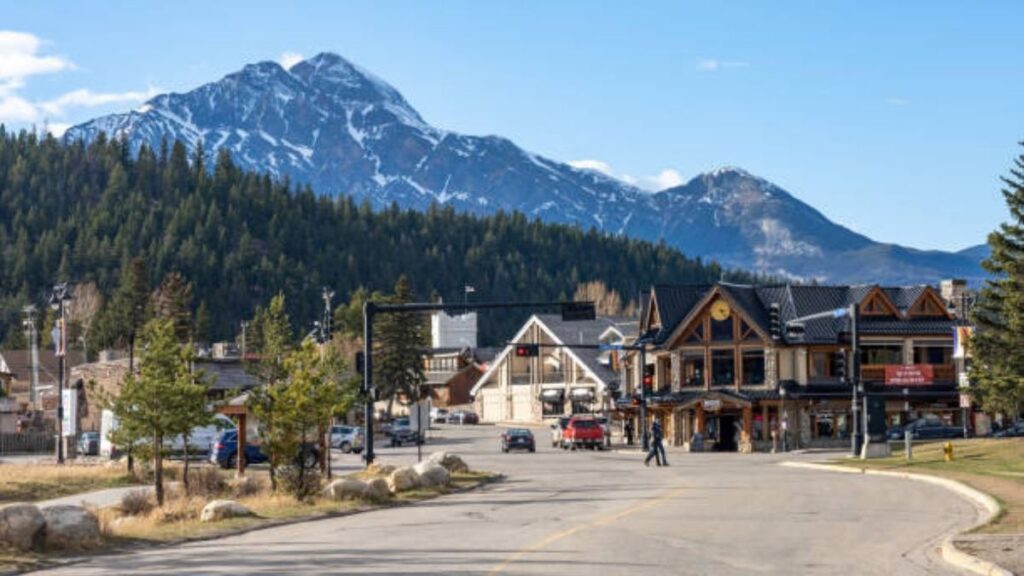
If you like convenience, cafés, and easy access to everything, stay in the townsite. You’ll find cozy B&Bs, rustic motels, and luxury options like Fairmont Jasper Park Lodge, which sits on the serene shores of Lac Beauvert.
Pros: Central, walkable, and full of life.Cons: Higher prices and limited availability in summer.
2. Cabin Stays & Lakeside Lodges
Want that postcard-perfect cabin vibe? Head toward Pyramid Lake, Maligne Road, or the Icefields Parkway.
Places like Becker’s Chalets or Pyramid Lake Resort let you wake to mountain air and the sound of loons on still water. It’s romance, solitude, and Canada at its best. Bring snacks, though — dining options are limited nearby.
3. Campgrounds & Backcountry Escapes
For the true wilderness lover, camping is the soul of Jasper. Whistlers Campground, newly modernized, is minutes from town yet surrounded by forest.
More remote options like Snaring or Wapiti campgrounds offer peace, privacy, and starry nights that make you forget Wi-Fi exists. Just book early — spots fill fast in peak season.
No matter where you stay, remember — in Jasper, nature is your next-door neighbor. So store food properly, tread lightly, and enjoy every quiet sunrise.
N.B.: Organize your trip using our recommended travel and affiliate partners. From booking flights, accommodations, renting a car, to finding other travel deals. We formed these partnerships to make your trips smoother — and also save you some bucks while you’re at it.
Top Things to Do in Jasper National Park
You could spend weeks here and never run out of wonder. But these are the moments you can’t miss:
1. Drive the Icefields Parkway
A highway so breathtaking it’s been called the most beautiful road in the world. Snowy peaks tower on both sides, waterfalls crash into canyons, and every curve reveals another view that feels unreal.
Stop at Athabasca Falls, Sunwapta Falls, and the Columbia Icefield Skywalk. If you want to level it up. Step onto the Athabasca Glacier itself on an Ice Explorer tour — it’s ancient ice beneath your feet.
2. Explore Maligne Lake and Spirit Island
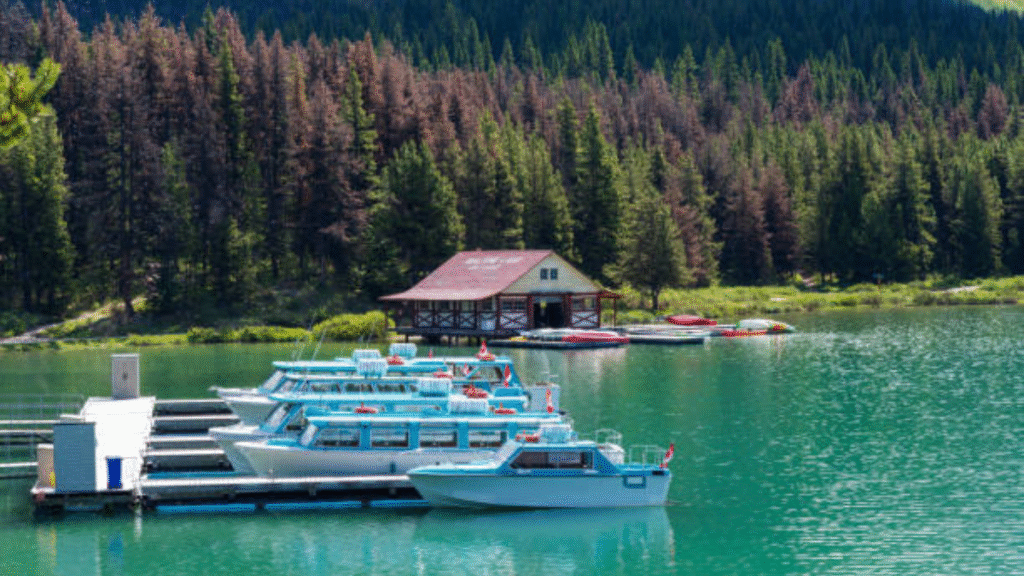
Maligne Lake Cruise boat pier
This lake isn’t just blue — it’s glacial blue, that impossible shade you thought only existed in Photoshop.
Take the boat cruise to Spirit Island, one of Canada’s most photographed places, or rent a canoe and paddle across the still waters yourself.
For hikers, Bald Hills and Opal Hills trails deliver views that’ll make you stop and just breathe.
3. Wander Through Maligne Canyon
Carved deep into limestone, this canyon is a masterpiece of water and time. Walk the bridges above roaring waterfalls in summer, or join a guided ice walk in winter when the walls turn to crystal.
4. Meet the Locals — the Wild Kind
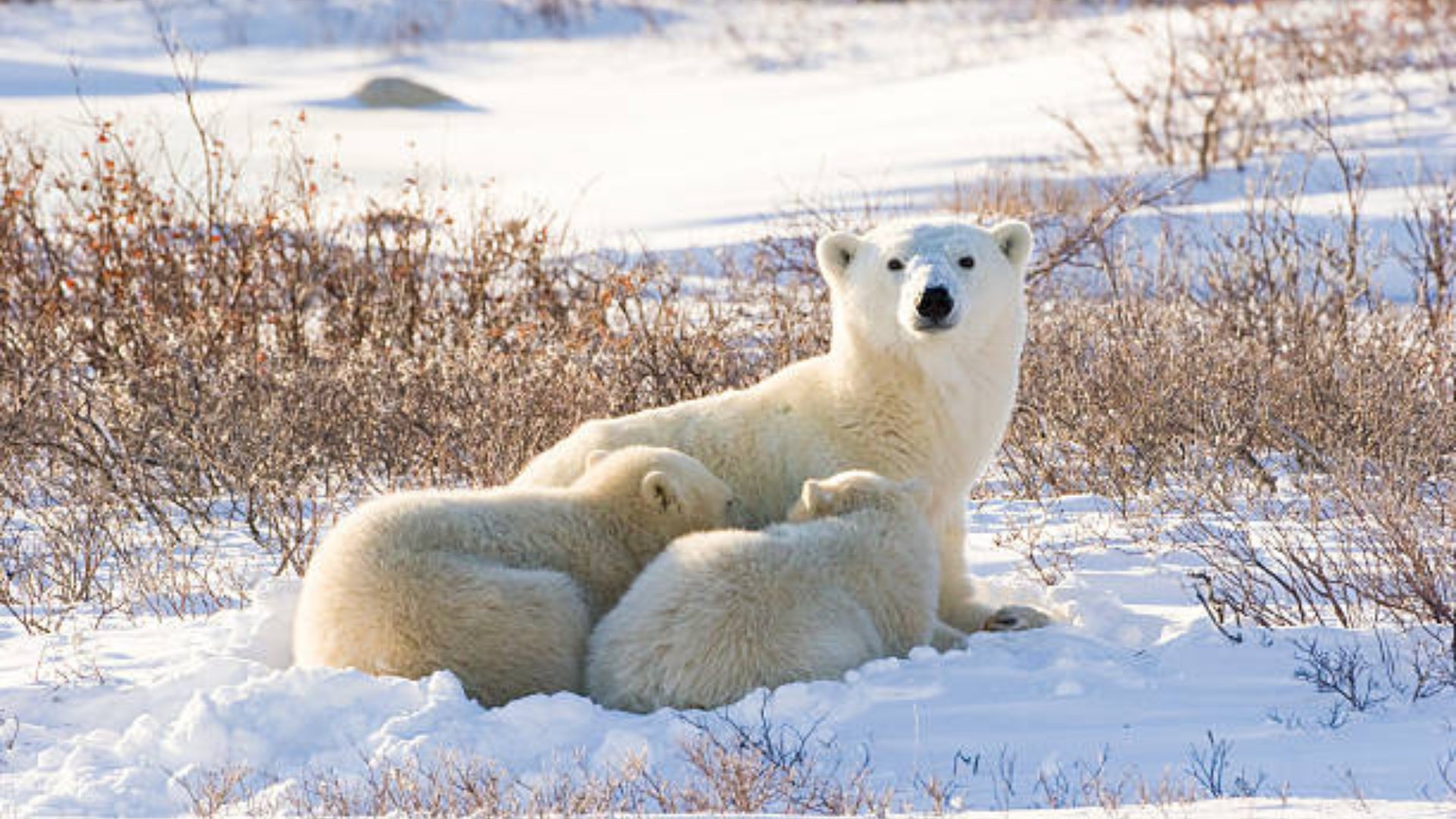
Elk, moose, bighorn sheep, and black bears roam Jasper’s valleys. Keep your camera ready, but stay smart — admire from a distance and never feed them. A zoom lens will capture the moment; respect will keep it real.
5. Hike the Skyline Trail
If there’s one hike that defines Jasper, it’s this one. Stretching over 40 kilometers through alpine ridges, the Skyline Trail feels like walking on the edge of the world. You’ll cross meadows, crest peaks, and see the Rockies unfurl in every direction. It’s a trek of a lifetime — best done over two to three days.
6. Soak in Miette Hot Springs
End your adventure with a soothing soak. Nestled among forested peaks, the Miette Hot Springs are the hottest natural springs in the Rockies — pure bliss after a day of hiking.
Jasper vs. Banff — Two Icons, Two Moods
People always ask: Which is better, Jasper or Banff? Here’s the truth — they’re sisters, not rivals.
Banff is polished, lively, and world-famous — think postcard-perfect lakes and a bustling resort town vibe. Jasper, on the other hand, is quieter, wilder, and more soulful. It’s bigger, less crowded, and feels more like discovery than tourism.
Banff will dazzle you; Jasper will move you. And the drive between them — the Icefields Parkway — is where you’ll realize you never had to choose.
Start your journey from Banff or Calgary and take your time on the Icefields Parkway. Stop at Athabasca Falls, Sunwapta Falls, and the Columbia Icefield Discovery Centre.
Arrive in Jasper by evening, check into your lodge, and dine at The Raven Bistro or Jasper Brewing Co.
Day 2: Maligne Valley Wonders
Begin your morning at Maligne Canyon, then head toward Maligne Lake for the iconic Spirit Island cruise. Stop at Medicine Lake along the way. End your day with sunset at Pyramid Lake — it’s peace painted in color.
Day 3: Wildlife & Warm Waters
Rise early for a wildlife drive along Maligne Road. Then head to Miette Hot Springs for a soak before your journey back to Edmonton or Banff. If time allows, ride the Jasper SkyTram for sweeping views of the valley below.
Travel Tips for Visiting Jasper National Park
Book Early: Lodges, tours, and campsites fill up quickly in peak season.
Get Your Park Pass: Required for all visitors — grab it online or at park gates.
Dress Smart: Even in July, temperatures can dip close to freezing at night. Layer up!
Stay Bear-Aware: Carry bear spray, make noise on trails, and store food properly.
Go Offline: Cell service fades in many areas. Download maps and embrace the silence.
Jasper to Banff or Glacier National Park
If your journey continues, the road ahead only gets better. The drive from Jasper to Banff takes about 3½ hours — but every minute is pure magic.
If you’re heading south to Glacier National Park (U.S.), plan for 8–9 hours and a border crossing at Roosville. Either way, keep your camera ready — this stretch of the Rockies will have you pulling over more than you planned.
Before we wrap up this travel guide, here’s some exciting news you won’t want to miss! Our travel media agency, WorldTourGuide, has officially introduced a Career Launch Pathway Program— a once-in-a-lifetime opportunity where our most loyal fans, like you, can earn the chance to explore and grow in the tourism and hospitality industry.
Final Thoughts — The Spirit of Jasper
Jasper isn’t just a destination — it’s a feeling.
It’s standing on the edge of a lake at dawn, watching mist lift as the first light hits the peaks. It’s quiet trails that teach you to listen again, and starlit nights that remind you how small — and lucky — you are.
So pack your hiking boots, charge your camera, and come see why Jasper remains the wild heart of Canada’s Rocky Mountains — untamed, vast, and endlessly inspiring.
And that brings our Jasper journey to a close! I’m wishing you safe travels, full hearts, and moments you’ll never forget as you wander through this wild Canadian treasure.
📘 Don’t forget your FREE Traveler’s Template— if you missed it earlier, simply enter your email address and name below for instant access.
You’ll also receive future updates, insider travel tips, and exclusive offers from WorldTourGuide to help you plan smarter, explore deeper, and travel better.
Jasper National Park Packing Checklist According to Season!
This packing checklist includes everything you’ll need for a trip to Jasper National Park, plus why each item matters in its unique climate.
SPRING (MARCH–MAY): MELTING SNOW & COOL TEMPERATURES
Moisture-wicking base layer: Spring in Jasper can be cold and damp. A moisture-wicking layer keeps sweat off your skin and helps regulate body temperature.
Fleece or hoodie: Mornings and evenings remain chilly in the mountains. A fleece adds warmth without heavy bulk.
Waterproof jacket: Rain and wet snow are common in spring. A waterproof jacket protects against sudden weather changes.
Waterproof hiking boots: Melting snow and muddy trails make waterproof boots essential for comfort and traction.
Warm hat: Cold winds still move through the valleys. A hat helps retain body heat.
Gloves: Protect hands from cold air, especially at higher elevations.
Sunglasses: Sun glare reflects off snow and rock surfaces. Sunglasses protect your eyes.
Sunscreen: High elevation increases UV exposure, even on cool days.
SUMMER (JUNE–AUGUST): WARM DAYS & COOL NIGHTS
Light, breathable clothing: Summer days can be warm, especially during hikes. Breathable fabrics keep you comfortable.
Moisture-wicking T-shirts: Perfect for hiking and outdoor activities where sweating is common.
Hiking pants or shorts: Weather changes quickly in Jasper. Flexible clothing helps adapt to conditions.
Hat (sun protection): High altitude means stronger sun exposure. A hat helps prevent sunburn.
Rain jacket: Afternoon showers are common in the Rockies during summer.
Light jacket (for evenings): Temperatures drop quickly after sunset. A light jacket keeps you warm.
Bear spray: Jasper is active bear territory. Bear spray is essential for safety on trails.
Sunglasses: Protect your eyes from strong mountain sunlight.
Swimsuit: Useful for lakes, hot springs, or hotel pools.
FALL (SEPTEMBER–OCTOBER): COOL AIR & EARLY SNOW
Long-sleeve tops: Fall temperatures cool quickly, especially in shaded areas. Long sleeves provide warmth.
Fleece or insulated jacket: Evenings are cold, and early snow is possible. Insulation is important.
Beanie: Cold mountain air can feel sharp. A beanie keeps your head warm.
Gloves: Hands can get cold during early mornings and hikes.
Waterproof hiking boots: Rain, frost, and early snowfall make waterproof footwear necessary.
Thermos: Hot drinks help keep you warm during chilly outdoor adventures.
WINTER (NOVEMBER–MARCH): SNOWY & VERY COLD
Insulated boots with good grip: Snow-covered paths and icy sidewalks require warm, traction-ready boots.
Thermal base layers: Essential for retaining body heat in freezing temperatures.
Waterproof snow pants: Protect against deep snow and cold winds.
Heavy down jacket: Jasper winters can be extremely cold. A heavy jacket is crucial for warmth.
Warm mittens or gloves: Mittens retain heat better during extreme cold.
Neck gaiter: Protects face and neck from freezing wind chill.
Toque (warm winter hat): Prevents heat loss in sub-zero conditions.
Sunglasses or goggles: Bright snow reflects sunlight, causing glare.
Lip balm: Cold air quickly dries lips.
Hand cream: Prevents cracked, dry skin in cold weather.
Ski or snowboard gear (optional): Jasper is a major winter sports destination. Gear is available for rent in town.